
Designing a Student Mentorship Program
Process Creation | Project Management
This piece showcases how my passion for mentorship transformed into an operational framework for facilitating a student course-based mentorship program. This collaboration I manage between Verizon Connect and Georgia Tech has significantly increased team mentorship opportunities and generated four research/design projects that have provided valuable foundational knowledge in high impact roadmap areas.
Overview
Problem
With fewer and fewer UX internship opportunities available in the market (and at Verizon Connect), I was keen to find mentorship opportunities for my team that provided equivalent business value. The answer was the Georgia Institute of Technology’s MS-HCI Foundational Research Methods for HCI course, which invites industry partners to sponsor projects. But participation is only half the battle—in order to bring the best possible experience to Verizon Connect and the students, I developed a framework for our mentorship program to streamline the collaboration and maximize output.
Project Goal
Develop a scalable, repeatable process framework for the Foundational Research Methods for HCI course collaboration that:
builds on the educational needs of the course project
enables high business impact
supports a variety of team mentorship goals
empowers students to customize their mentorship support and network with the wider team
My Contribution & Impact
I am the primary process creator and project manager. My work:
Established the program with strong buy-in.
Bolstered internal teams’ mentorship experience.
Expanded foundational research knowledge.
Provided an Industry Partnership Framework to GT.
Nurtured a new generation of UX professionals.
Team
Stephanie Baione, Alexa Carleo
Timeline
May 2024 - present
Tools
Figjam, userinterviews.com, Dovetail, Slack, Google Drive
Watch my talk:
I presented this work at Accelerant Research’s virtual UX conference (ARVIC) in February 2026. The talk walks through this mentorship program’s components and explores the value of these collaborations to both students and to the businesses supporting them.
Background
Creating New Student Collaborations when Internships are Few
In an increasingly competitive UX job market, there are few resume and portfolio entries that job hunting students and hiring managers value more than industry experience. For the students, it’s a window into the world of professional UX work beyond classroom hypotheticals; for the hiring manager, it’s proof that the student is capable of applying their professional skillset to tackle industry problems and have real impact. But in times of economic recession, the traditional form of industry experience—the internship—suffers. And while the immediate detriment is to the students, it’s also a blow to industry professionals like myself who know how valuable student-led projects can be both from a mentorship perspective and as a mechanism for challenging your company’s industry and UX process biases.
That’s why I sought out alternatives for Verizon Connect and became an industry partner for Georgia Tech’s MS-HCI Foundational Research Methods for HCI course. As an industry partner, I submit a prompt that represents a strategic challenge facing my company and industry, and I am assigned a team of first year MS-HCI Masters students to advise for 16 weeks as they research, design, and validate new, innovative solutions to these problems.
As a two time alumnus of Georgia Tech who took this course as an MS-HCI student in 2019, I was uniquely positioned to leverage my personal experience as a previous student and current industry professional. Over the two years that I’ve been leading and developing this collaboration, I have transformed Verizon Connect’s contribution into the model for course-based mentorship programs and am continuously iterating and improving on our model so we can continue to give the best experience to the students and derive high impact business value from their contributions.
Project Goal
Develop a scalable, repeatable process framework for the Foundational Research Methods for HCI course collaboration that:
builds on the educational needs of the course project
enables high business impact
supports a variety of team mentorship goals
empowers students to customize their mentorship support and network with the wider team
Course Timeline
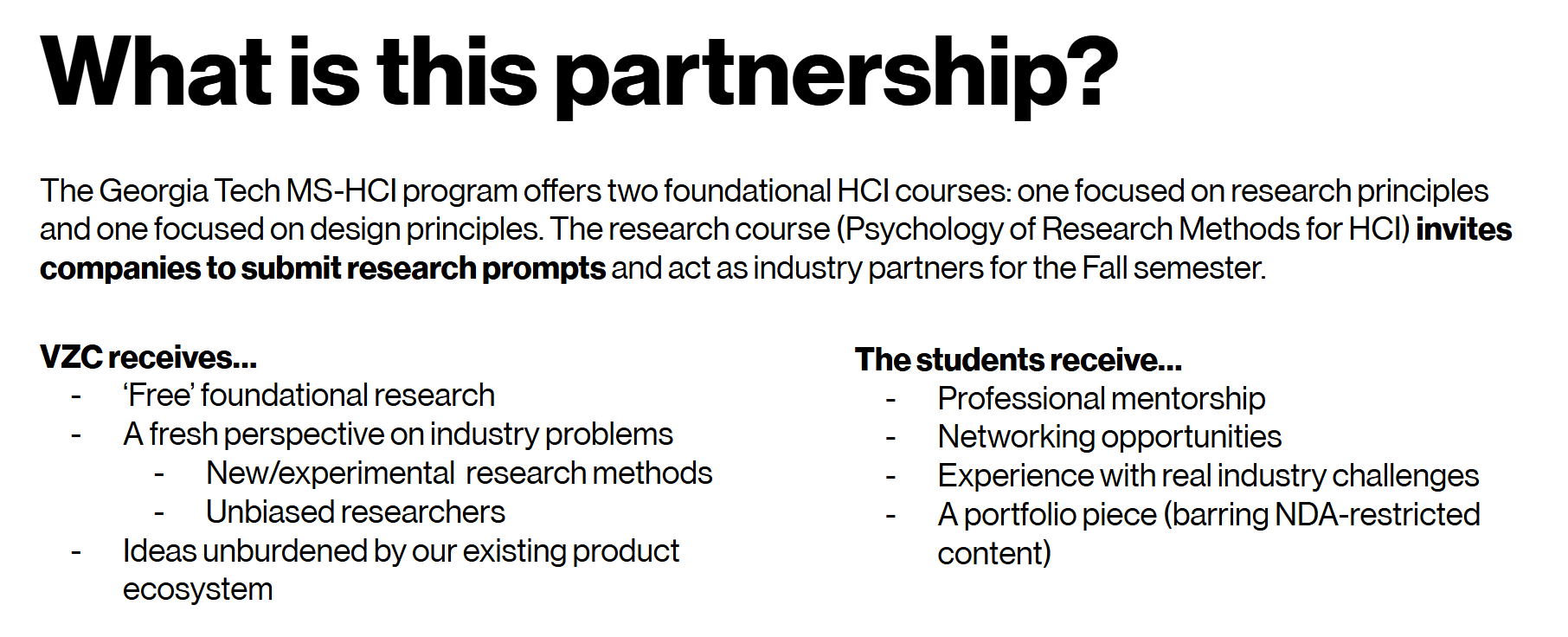
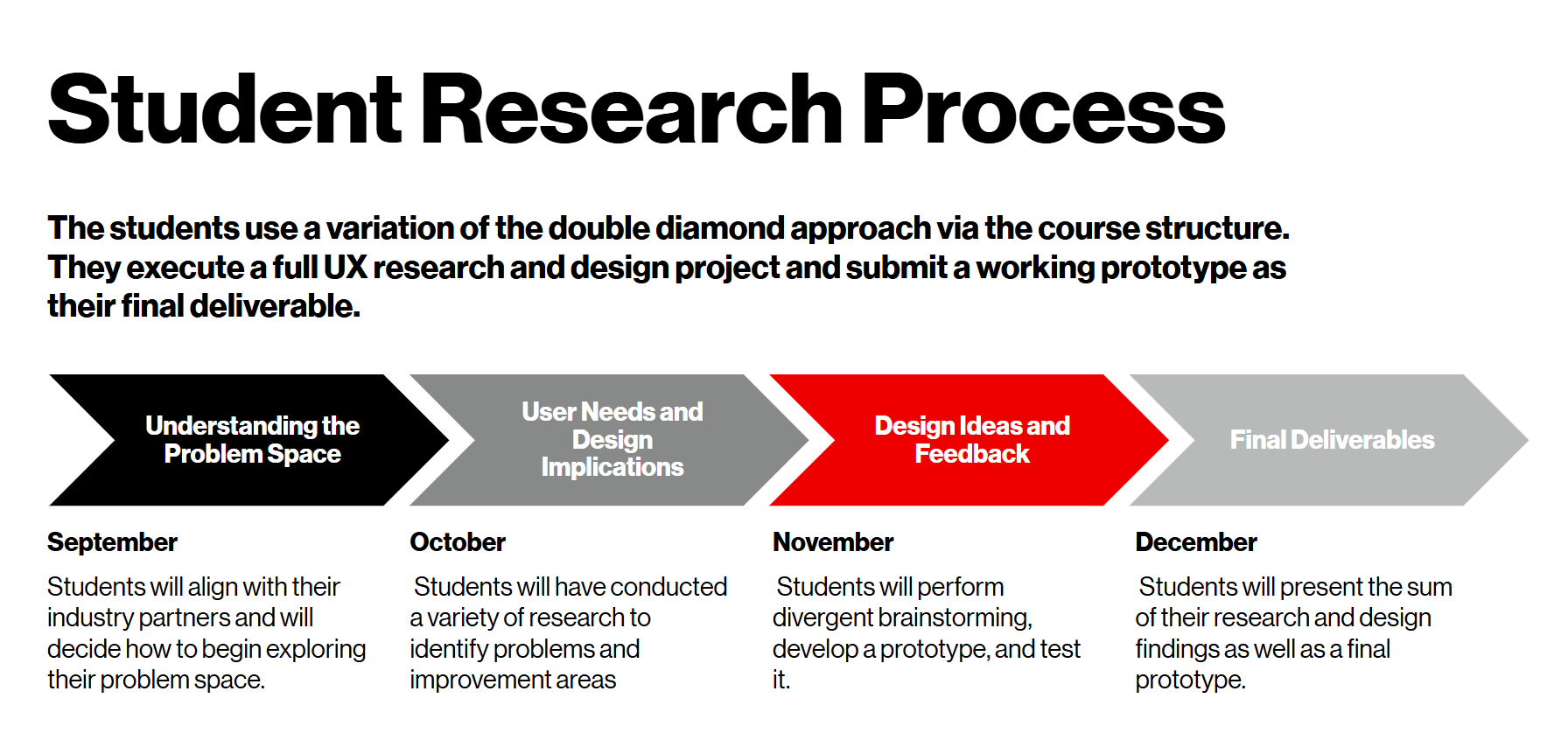
Georgia Tech’s MS-HCI Foundational Research Methods course is taught every Fall semester. Here’s how I communicate the course requirements to my team!
1. Pitching the Initiative (May - July)
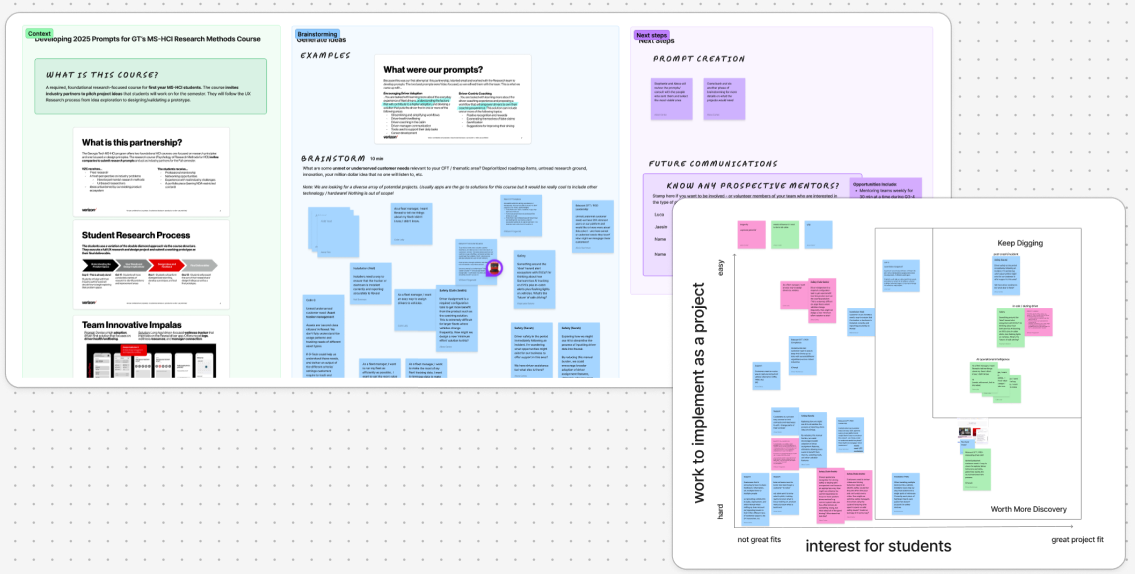
Top: A walk through explaining how the collaboration works and inviting team members to participate.
Bottom: Our feasibility vs interest matrix we used for narrowing down project prompt choices.
Legal Approval
We had to consult with VZC’s legal team during our first year of participation to establish a process with respect to intellectual property and NDAs. Georgia Tech had an established process, so it was easy for VZC to approve and tweak the documents. Now we simply inform legal yearly that this collaboration is occurring.
Team Buy-in
We want these projects to have maximum impact across our cross-functional teams in Product, Engineering, and User Experience (PEX), so we announce this project during staff meetings and reach out to team leads to make sure they understand the value in participating.
Generating Project Prompts
We attended multiple Associate Director meetings and held workshops to identify high-value roadmap items and low priority, high value research areas that could act as student projects. We then graphed those ideas on a Value Matrix, comparing feasibility and student interest to narrow down our choices. Those final few options were iterated on further with the stakeholder(s) who proposed them, and then the Associate Directors voted on their top two problem areas.
Selecting project prompts can take time and effort, but I’ve found this stage to be essential for providing maximum impact to the team as well as investing your stakeholders in the outcome of the projects.
2. Preparing for Mentorship (July - August)
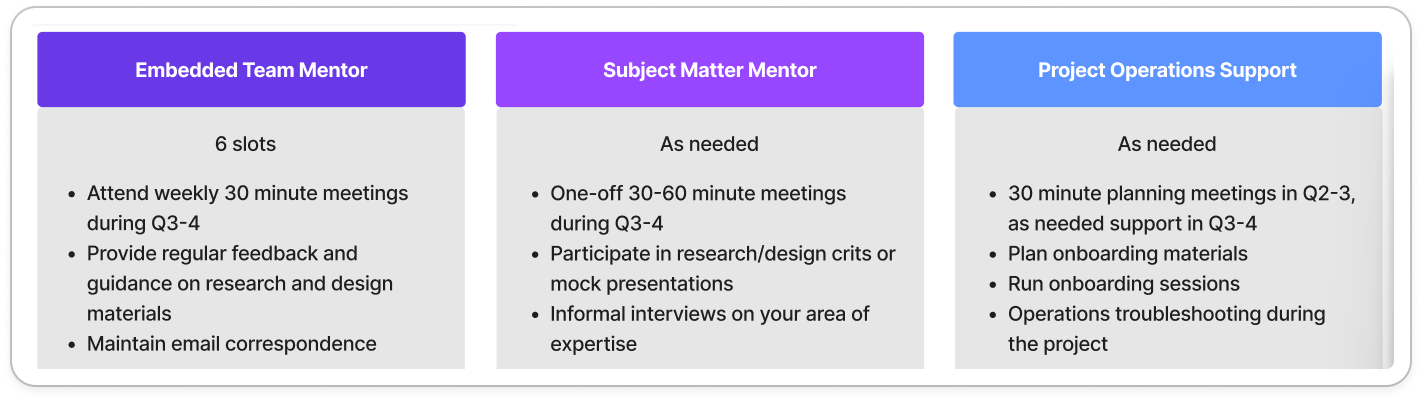
An explanation of the different mentorship roles during the project, as pitched to prospective mentors.
Recruiting Your Team to Mentor
While this project can be managed by a single person, we quickly learned that our team is hungry for mentorship opportunities, and we so we defined different roles that teammates can take on as part of supporting the program. Embedded mentors meet with the team weekly and act as primary touchpoints for feedback and guidance, subject matter mentors are consulted when their specific expertise is needed, and project operations support prepare all the tools and materials the students will need to complete their projects.
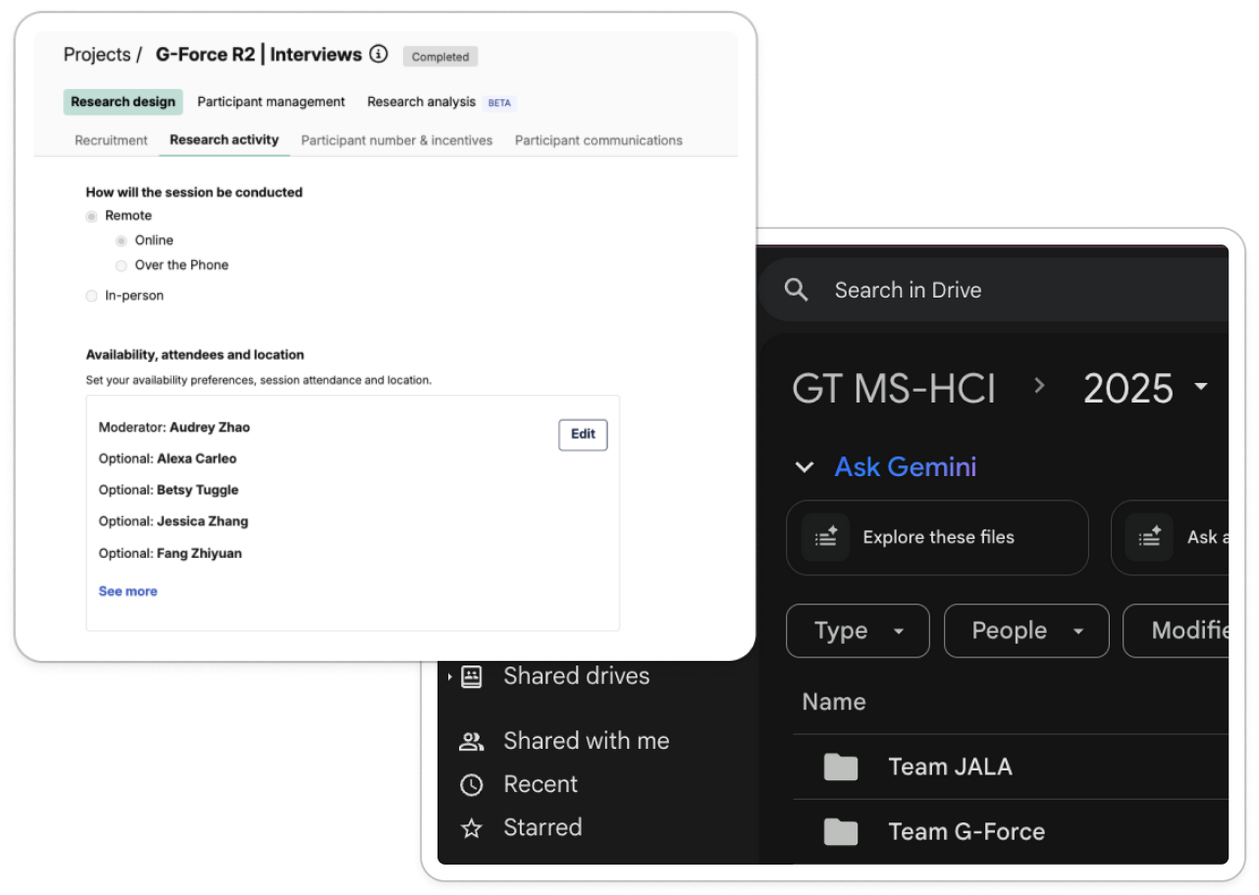
Preparing Communication & Research Tools
Can you communicate with the students only via email? Yes. But if you can find a way to get your students access to the communication channels your team uses for work (e.g. Slack), it will be so much easier to build working relationships and get things done outside of 1:1 meetings.
You’ll also get a lot of value out of preparing for the students to access your platforms for conducting research (careful about customer data privacy!). We prepare our team to support a student research budget, give our students temporary access to our UserInterviews accounts, and give them near total control of managing their screener, participants, and schedule. Then our internal team would upload those interview recordings to Dovetail, preserving the students’ work and bolstering our research repository.
The last critical consideration is how to easily share and store student project resources (e.g. interviews, presentations, papers). Our solution is a shared Google drive with the students added as temporary external accounts. This process was so successful, it became our team’s primary method of uploading research data during on-site research activities.
Some of these processes, like getting students onto your research platforms, might sound cumbersome depending on your setup, but we’ve found it well worth the effort: using our tools lets the students operate like industry researchers, guaranteeing a high quality research that is well worth the resource cost.
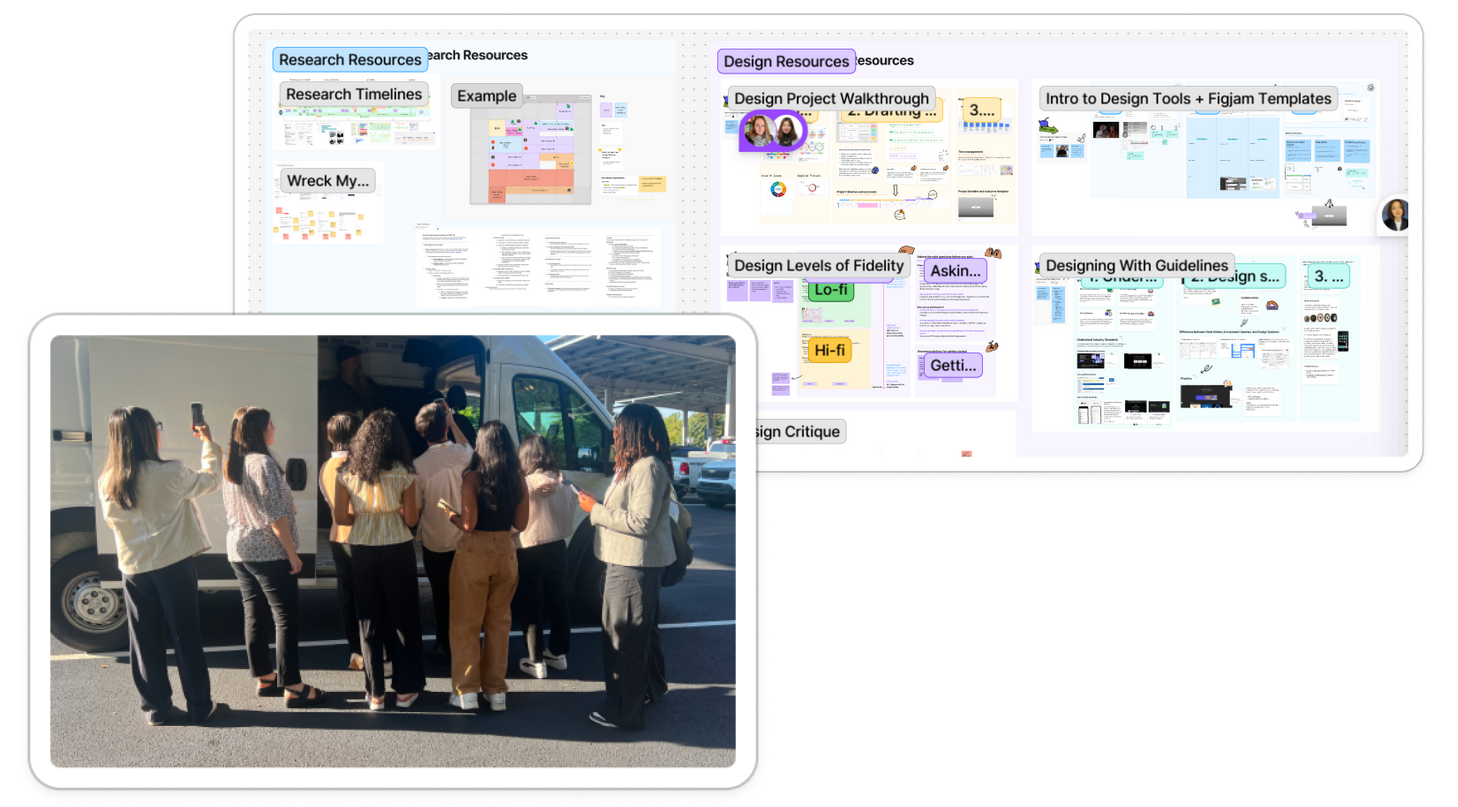
Top: A collection of research and design resources we used as part of onboarding and training during the project.
Bottom: Our 2025 students participating in a Reveal product walkthrough on-site with a driver.
Preparing Onboarding Materials
Onboarding should encompass overviews of the business and industry, but also the specific context in which the student projects will focus. Our team uses Figjam to collate resources from across the team and has our subject matter experts present them to the students. And if you have a product your company offers like we do, it’s especially helpful to give them access to that product so they can explore and see how it works.
Over the years we’ve partnered with this course, we’ve found that onboarding is critical to setting the students up for success in their projects. As such, we often invest extra time and energy to making sure it is thorough. In 2025, we organized a student visit to our office in Alpharetta (~45 minutes from Georgia Tech’s campus) where the students could see our product in action during a driver ride-along.
3. Managing the Program (August - December)
Student-Led Meetings
Georgia Tech recommends that student teams meet with their industry partners weekly at the start of the semester, but gives participants the flexibility to adjust cadence as needed. Our team allows the students to drive communications and plan meeting agendas for their sessions. We do this because the students are following a course rubric. We already know following this course will guide our students to success, so we give them the flexibility to take charge of how they tackle the requirements they’ve been given.
Internal Team Syncs
Our team holds two kinds of internal team syncs: weekly administrative check-ins and post-milestone reflections.
Administrative meetings are attended by the program managers (myself and Alexa) and are optional for the embedded mentors. We keep track of the students’ progress, ensure they have all the tools they need, and prepare a list of admin housekeeping updates for the student meetings each week.
Post-milestone reflections only happen about once a month, and it is a dialogue between the program managers and the embedded mentors. We’re cognizant that the embedded mentors have their own goals in participating in the project, and we use that time to ensure that they are feeling satisfied with their level of involvement, the students’ work, and anything else to do with the collaboration.
Feedback & Design Critiques
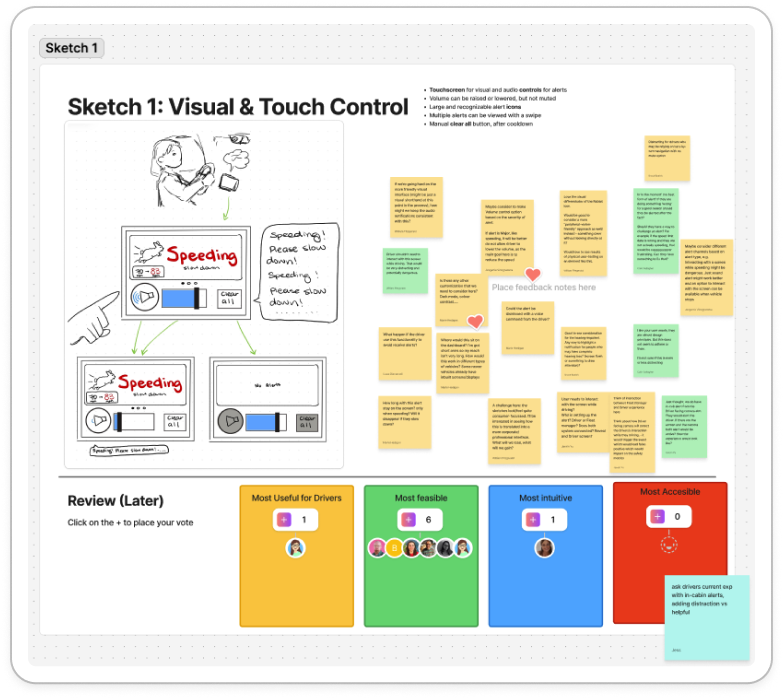
One of our student teams’ designs for an in-cabin experience, presented for a design critique.
Student Feedback
Embedded mentors are a constant source of feedback for the students as they undertake their research and design tasks. We make ourselves available for face-to-face feedback in weekly meetings, asynchronous feedback via Slack, and open blocks of office hours where students can drop by with questions outside of normal meeting times without cumbersome scheduling discussions. And when course milestones are drawing close, we offer the students opportunities to participate in critiques with the broader CFT, most notably design critiques when they’ve reached their convergent design stage.
When it comes to the content of the feedback we provide, I am motivated by facilitating learning and trusting Georgia Tech’s course structure. I don’t believe it’s an embedded mentor’s role to give them all the answers or do work for them. Rather, our role is to advise and provide our perspective, but give them the freedom to make decisions (even ones that are contrary to how we’d approach a project) and learn from the successes and failures that come from them. The course is designed to direct students towards an end result that will make their industry partners happy; there is flexibility built in to let students struggle sometimes! As such, I only step past these feedback boundaries and provide heavy-handed advice when the success of the project demands it—which is very rare.
Embedded Mentor Feedback
As our mentors are also seeking to improve their mentorship skills, I mentor mentors on-request and as needed. These are informal chats where we talk about previous student feedback sessions, what went well, and how we can improve communication skills. These conversations help everyone achieve their development goals.
4. Course Artifacts (mid December)
Final Presentations
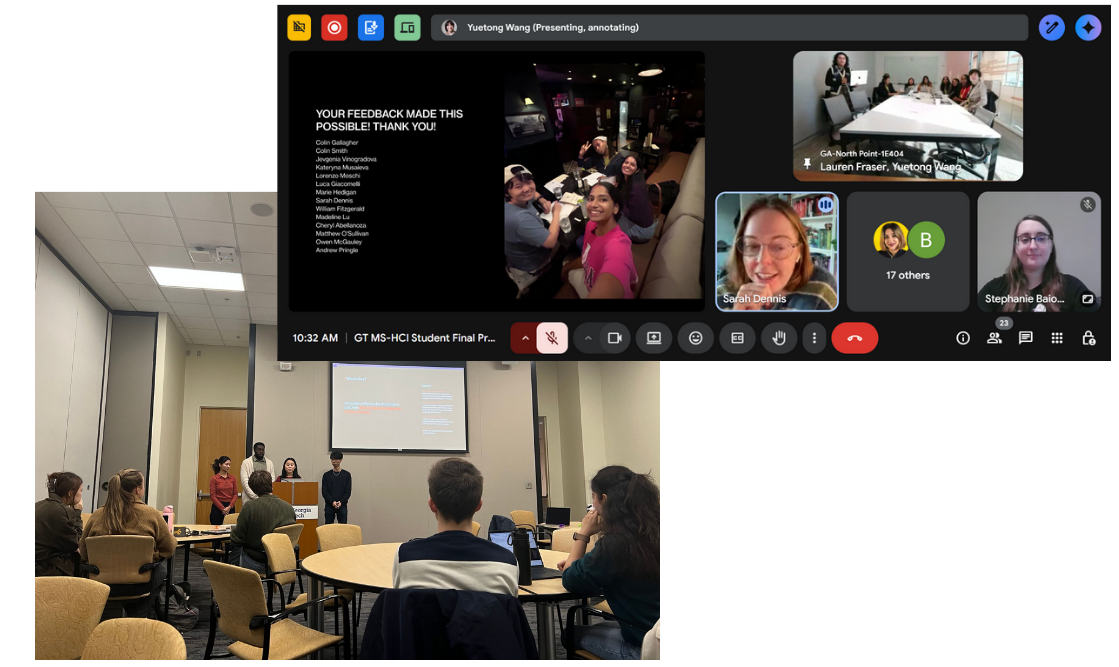
Top: Verizon Connect CFT presentations, 2025
Bottom: Georgia Tech’s final presentations, 2024
Georgia Tech requires students to present a final presentation showcasing the UX process and decision-making that went into their final deliverables. We also invite our students to present to the wider CFT in-office at Verizon Connect. In addition to it being an exciting opportunity for the students to network and show off their work, it’s also highly valuable from a research and design visibility perspective. Through this presentation to our team, the primary stakeholders who pitched these projects get to see them come to fruition, and the wider organization will have the students’ work fresh in their mind if they ever have to work in a similar problem space.
Retrospectives
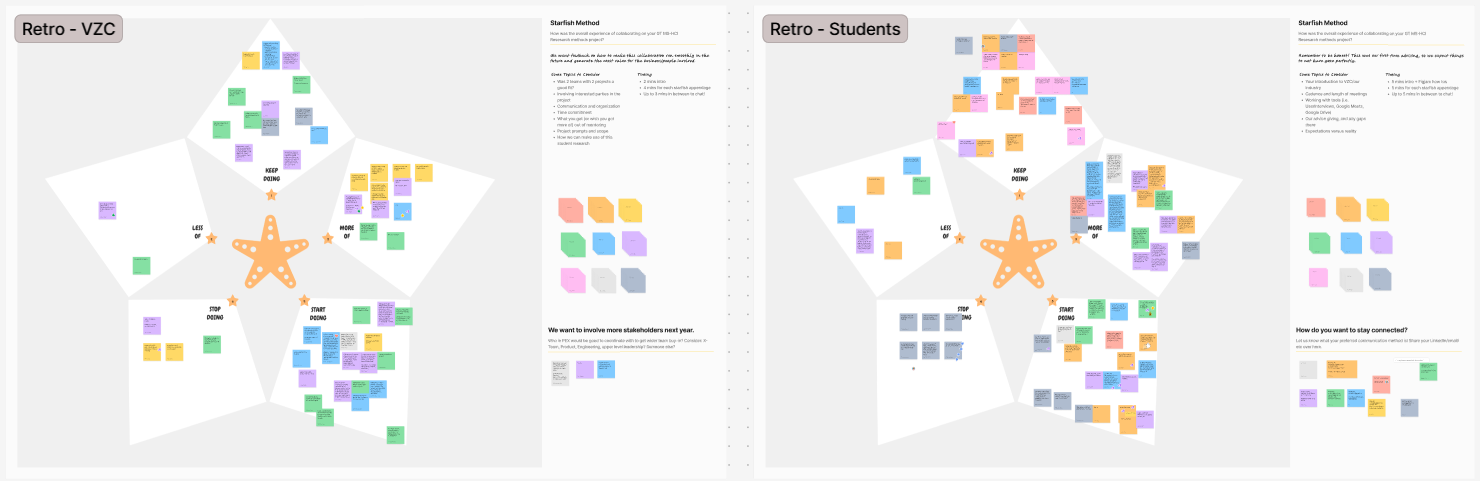
A zoomed out view of our student (right) and embedded mentor (left) retrospective boards.
Our work doesn’t end with final presentations! Every year, I host retrospectives with the students and also with the embedded mentors to solicit feedback on how to improve the course. We utilize the starfish method (keep doing, do less of, do more of, stop doing, start doing) and leave time for group discussion after every section. These sessions might sound redundant, but I find them incredibly useful every year. The students and mentors from 2024 helped us to demonstrably improve the experience for the 2025 cohort, and I expect that pattern to continue into years to come.
In 2025, I also facilitated a retrospective with the professors who oversee MS-HCI at Georgia Tech. These conversations helped us to further iterate on our process and led to conversations about templatizing and sharing out our process for managing the course as industry partners so others can implement it as well.
Preserving Course Artifacts
We treat our student work the same as we would any other research and design work conducted by our team: we upload all the interviews and presentation artifacts to our Dovetail research repository. This ensures that the work is easily accessible to anyone who searches keywords relevant to the problem areas the students tackled. As a result, these student projects have impacted numerous innovation, hackathon, and roadmap projects since their completion, and will continue to benefit Verizon Connect’s product development for years to come.
5. Impact
Established the program with strong buy-in.
This collaboration between Verizon Connect and Georgia Tech has been running for two years, with a third year greenlighted and fully backed by our team’s directors. Continued manager buy-in allows the results of this program to have significant impact on key business areas and development goals.
Bolstered internal teams’ mentorship experience.
In a time when junior team members and internships are few and far between, our team has had to get creative facilitating mentorship goals. This collaboration became an opportunity to offer mentorship development to high interest team members, allowing them to improve their UX fundamentals, communication, feedback, and listening skills.
Expanded foundational research knowledge.
This research lives on in our Dovetail research repository and has since been leveraged for innovation projects, hackathon projects, and high priority roadmap discussions.
Provided an Industry Partnership Framework to GT.
After our retrospective with the professors at Georgia Tech, we determined it would be useful to document and templatize the way we conduct ourselves as industry partners. This template will be used as a guide for prospective industry partners who want to make the most out of their collaboration.
Nurtured a new generation of UX professionals.
The students who work with our team develop critical UX skills (from research and design practices to portfolio pieces), receive a plethora of feedback and networking opportunities to accelerate their career growth, and get an in-depth look at how UX is conducted in the industry.
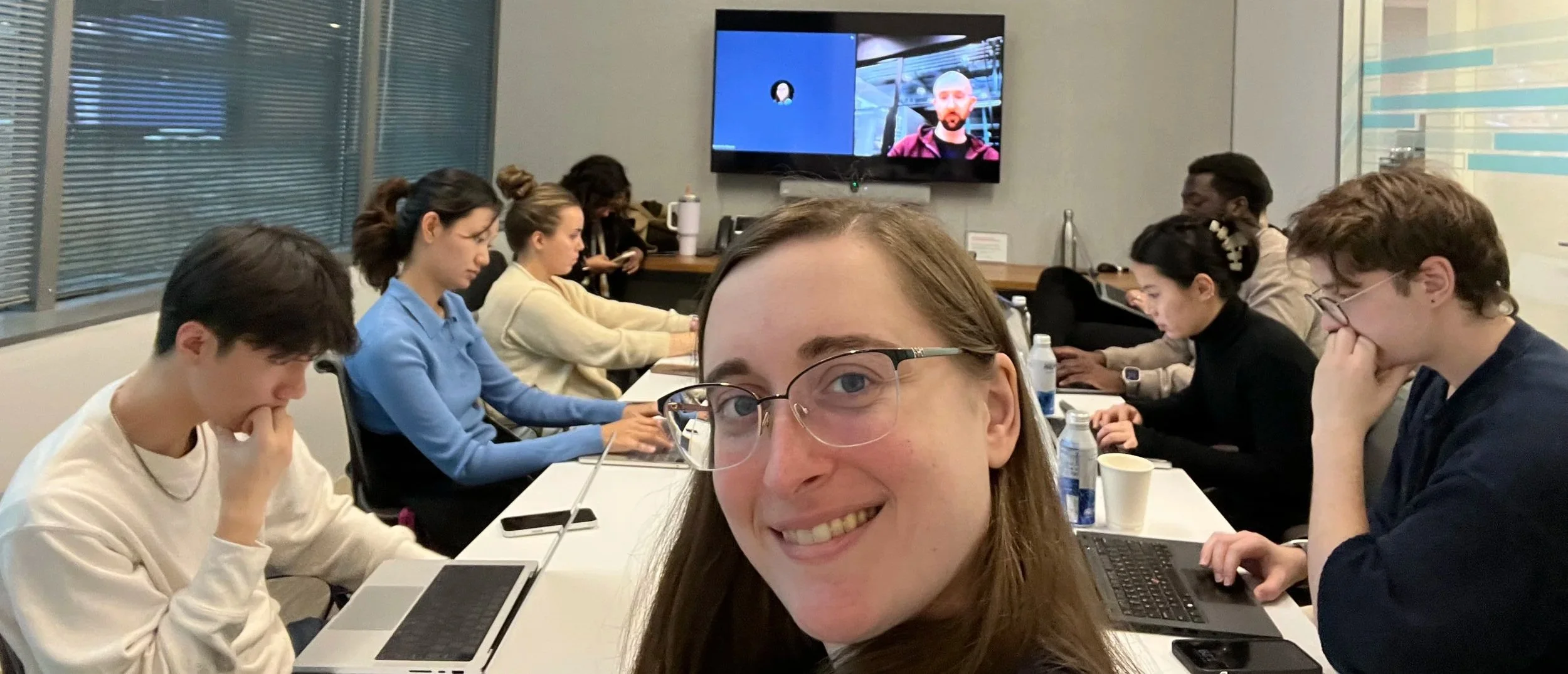
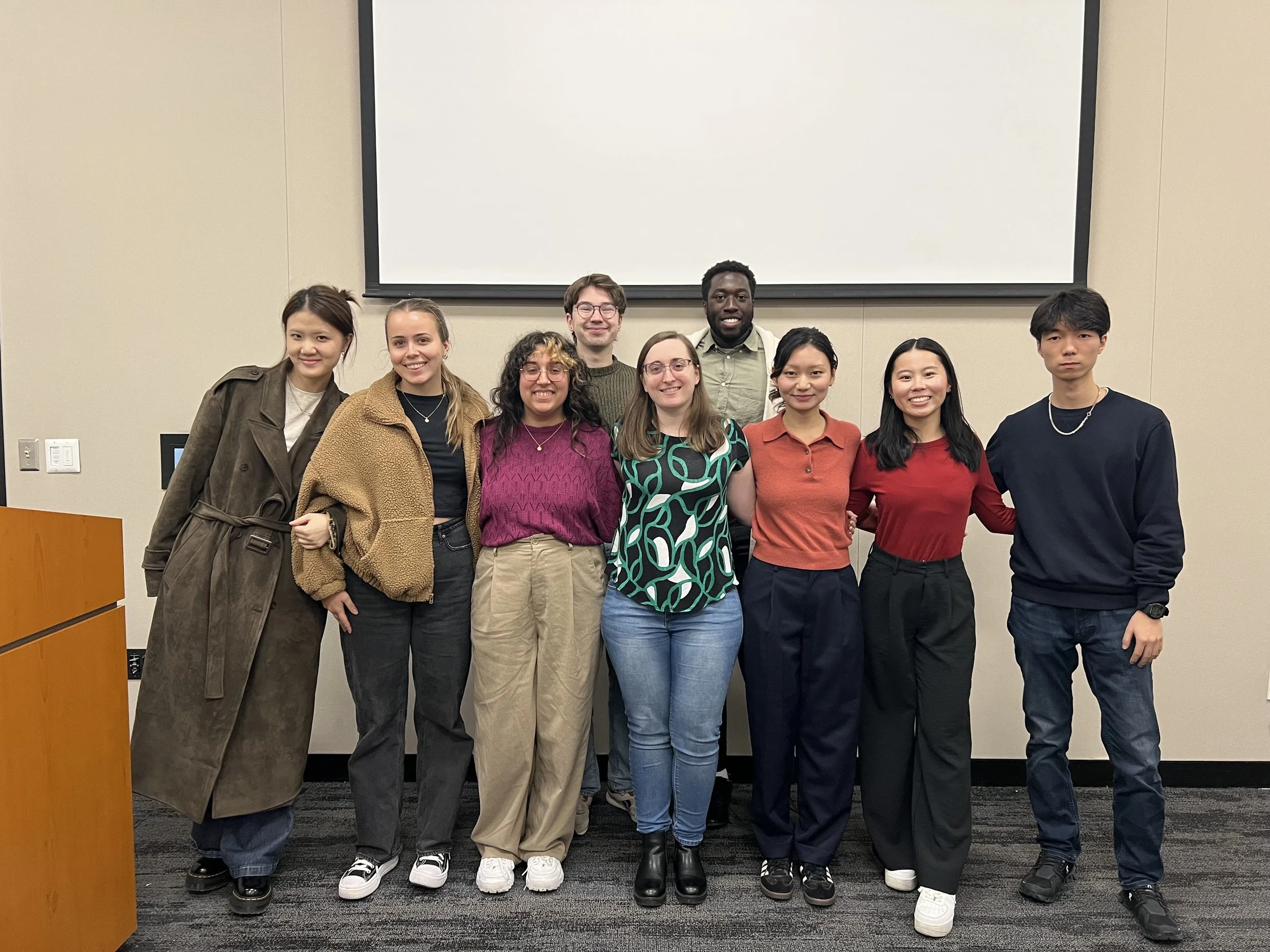
The 2024 students in-office participating in our retrospective.